


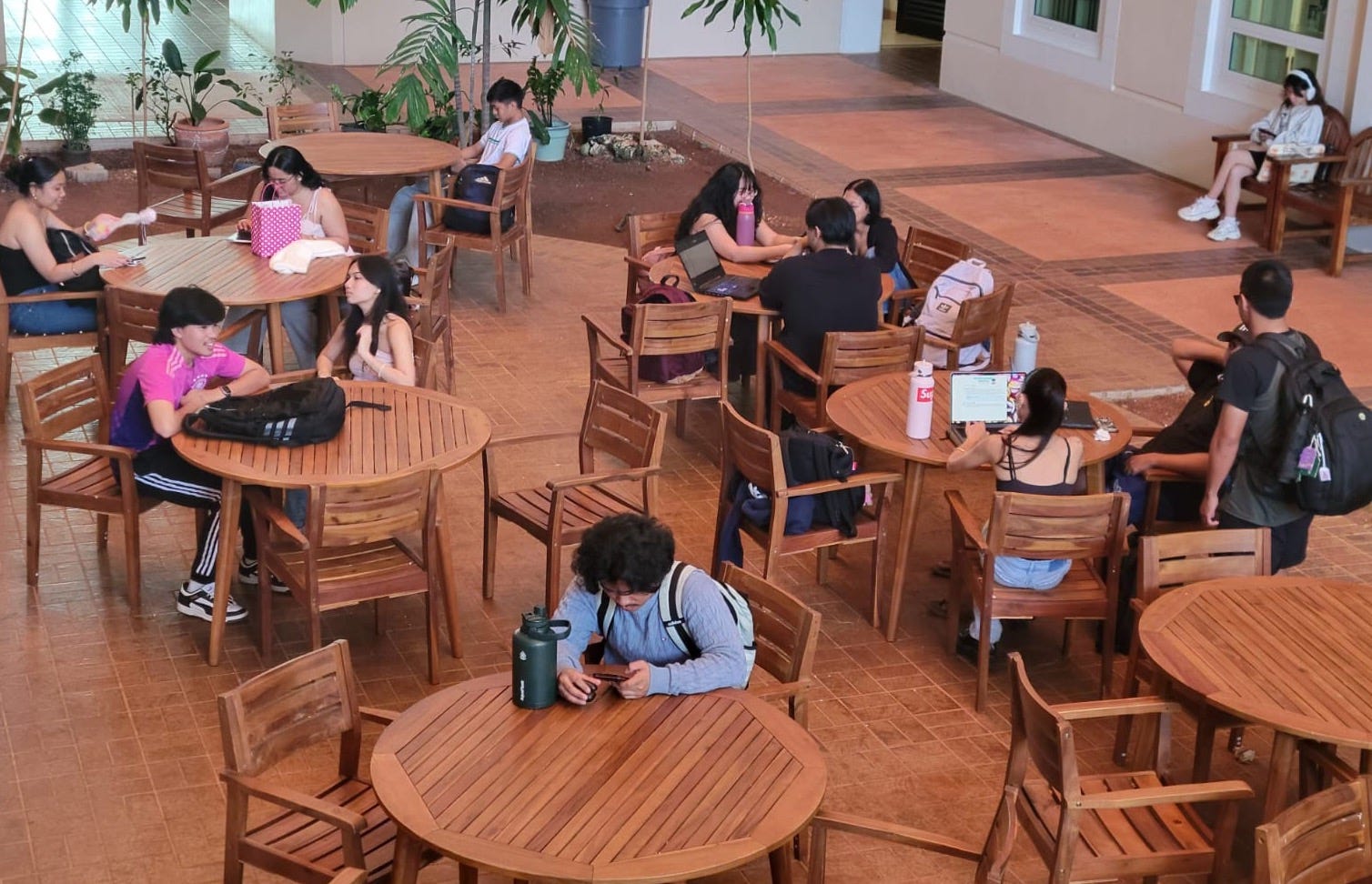
As the Spring 2026 semester kicks off, students are readjusting to the rhythm of college life and class schedules. The consensus among faculty and staff seems to be that the winter break wasn’t long enough and many college students still feel exhausted, stressed, and even isolated.
But with new beginnings, come new opportunities. Student organizations are opening up membership again, allowing students to find a place where they can connect with their peers outside of the classroom. This concept is called “third places.”
Coined by American sociologist, Ray Oldenburg, a “third place” is somewhere other than the home (first place) or work (second place) where people exist and interact with others. Cafes, bars, gyms and churches are all examples of these places.
For many students, third places are important now more than ever. Social media used to be a social world where students, friends, and entire generations could connect. But as social media is now starting to be plagued with censorship, AI, targeting content, and discourse, more users are beginning to seek real, authentic connections. These connections cannot be made online, but in person. These connections are made in third places.
Student organizations provide these third places to “hold space” for students. The term started trending after an interview with Ariana Grande and Cynthia Erivo. The Advocate journalist, Tracy E. Gilchrist, told the stars about how the lyrics of “Defying Gravity” were holding space for viewers. The term is connected to a psychological concept of creating a safe space for people to be vulnerable and being present for them, both emotionally and mentally.
Though the viral term was mostly teasing the Wicked co-stars, it still sparked conversations about finding a safe, judgment free community. For students, they look to each other during exams and tough times. Student organizations can provide a safe environment for discussion, connection, and laughter.
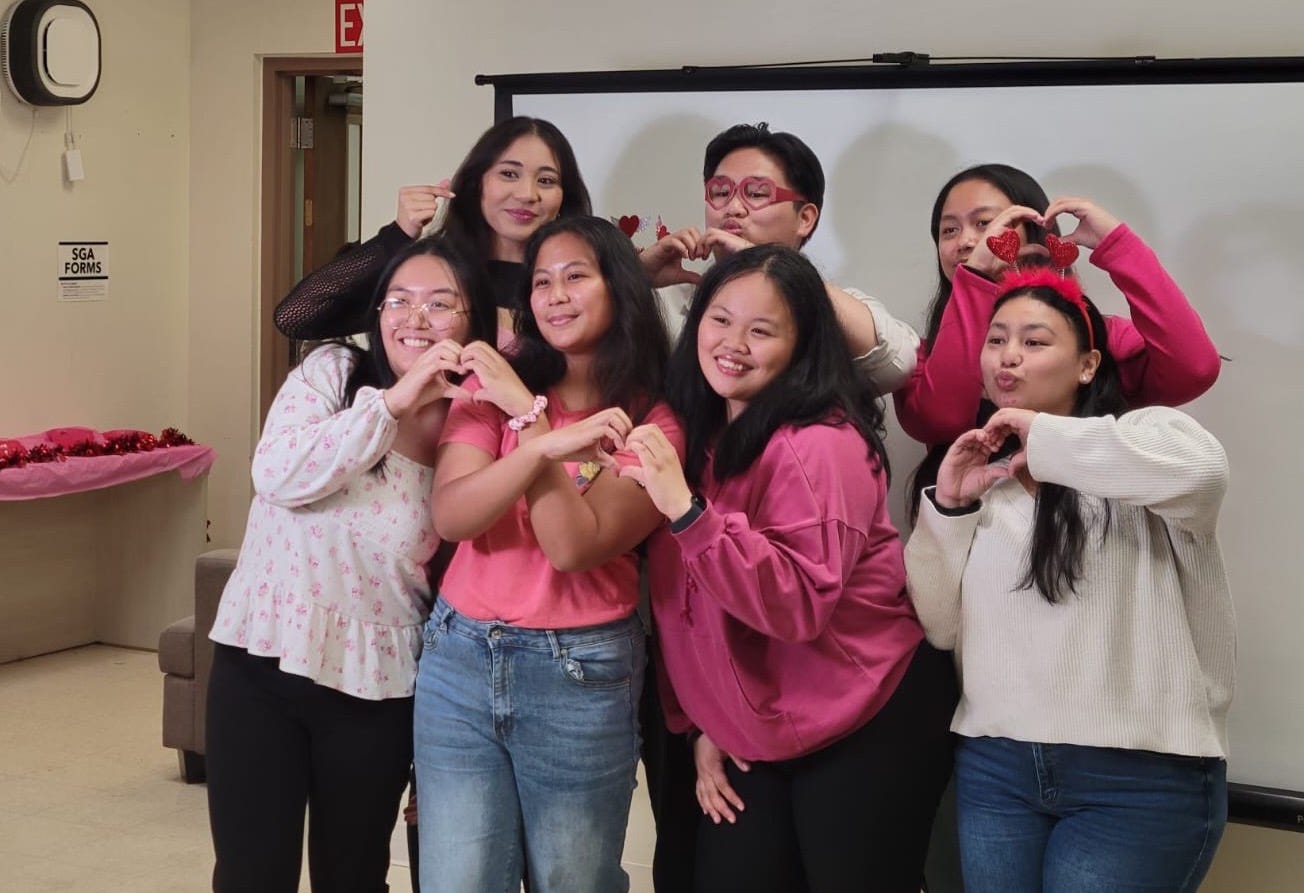
In a time where political polarization is dominating mainstream media, many students want an escape from the division. While there is a time and place for debates, speaking out, and fighting for beliefs, having a tension free space is crucial for overall well-being. Oldenburg stated that third places should be inviting, comfortable, and full of laughter.
For Neo Procalla, the Academic Department Head of the Psychology Club, third spaces are also about providing a comfortable place for students.
“I would say that they’re built on community and feeling comfortable. Being able to socialize with the people who are close to you or people around you.” He continued: “they are spaces built on relationships.”
“It’s one of the places on campus where I feel the most comfortable. I’ve met a lot of people just from being in this lab. A lot of people get to know each other once they join.”
Communication majors have their third space in the CommCave. It’s a space where communication students can study, hang out with friends and lounge. Alayna Kerbil Alonz, the Comm Society Secretary, shares her love of the CommCave.
“I began spending more time in the Cave when I took my independent filmmaking class…As I spent more time, I felt a greater sense of community in the other Comm students who would stay and keep me company.”
Alonz also shared that she’s been encouraged by the passion of her peers.
“It’s great to be surrounded by like-minded Communication students. It is so refreshing to be around other people who are unapologetic and passionate about our craft. In our fits of laughter or even our most stressful moments, such as student film productions, I found myself being motivated and inspired by my fellow Commies.”
The Creative Alliance of Tritons plan on finding more third spaces this semester. Ha’ani Castro, a member of CATs, shared that the club is very active.
“For this semester, we’re planning workshops, like caricature drawing or improv, and hangouts where we do art or play games.”
Castro believes that interacting with art majors outside of class helped her grow socially.
“When I came to UOG, CATs was the first place I met a lot of people. It was different than a class because we were all interested in the same things, so it was easier to talk to them. The repeated interactions with them have helped me feel less alone. There’s less pressure for me when I approach people. I think knowing people in CATs has let me grow a lot socially,” Castro said.
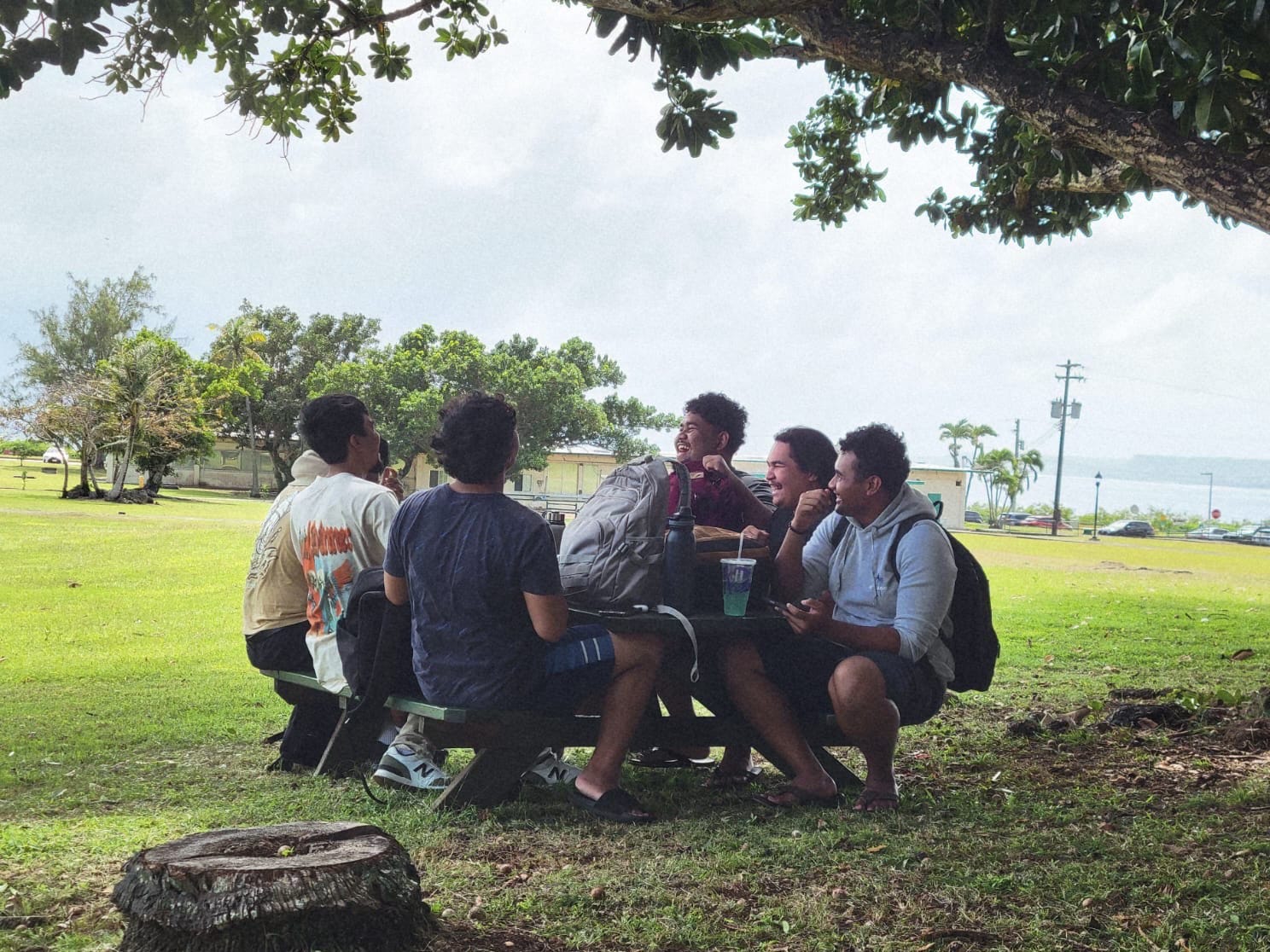
In a generation that was plagued by social distancing for a few years, direct connection and communication became more than just a social skill, but a valued and cherished bond. Third places have always existed, but when Covid stripped society’s access, the need for these spaces became clear.
Third places were no longer the physical location, but the community and connection itself. Through texts, calls and social media posts, people created third places when the physical spaces were inaccessible.
In doing so, many people dropped the media filters and personas and replaced it with authenticity. “Being real” became trendy.
Pilar Santos, an intern at the Wellness Center, shared her observations about Gen Z’s interactions.
“I think students in this generation are much more direct with each other, and I actually find that so refreshing. They’re not afraid to say what they want or don’t want, and they really care about understanding early on whether their values align.”
Santos emphasized that the connections being made in Gen Z are different from previous generations.
“Seeing them choose alignment over obligation feels healthy to me. Their confidence to walk away when something doesn’t fit suggests they may be building more honest, emotionally grounded connections than generations past,” said Santos
Gen Z has been subject to criticism because of their love of social media and phones. But as society observes the changes that Covid and social distancing had on Gen Z, the criticisms fall short.
While yes, Gen Z continues to “always be on their phones,” their value of true connection is evident. Gen Z will continue to “hold space” for each other. Even if it’s just a finger.
 |
|